SEE OUR LATEST BLOG
Explore our Blog Page for expert insights, practical tips, and the latest updates on training, consultancy, digital innovation, cooperative development, and professional growth. Learn, grow, and stay ahead with valuable content designed to support your success.
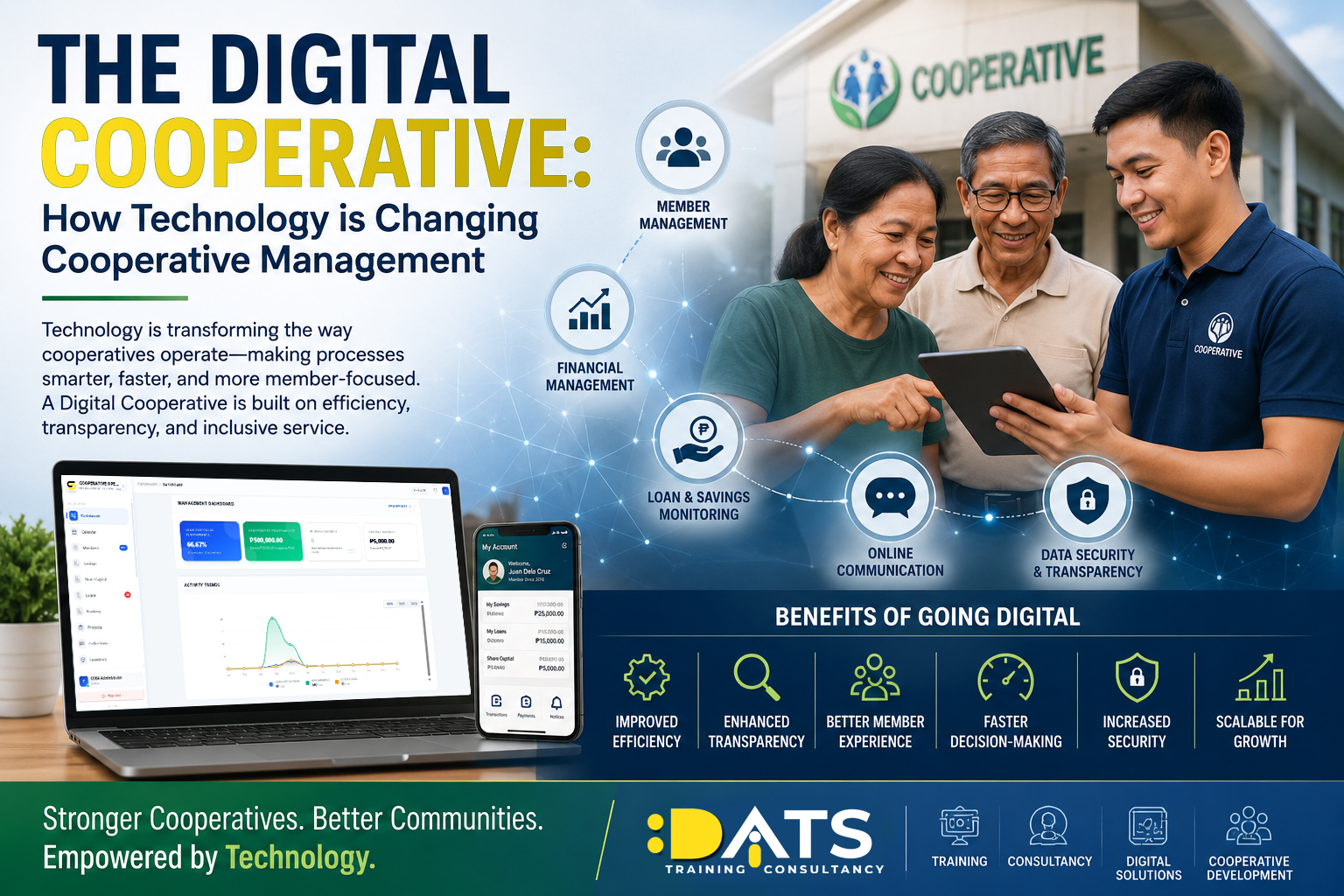
The Digital Cooperativeven: Strategies Unveiled
Embracing the Future of Cooperative Operations
Cooperatives have long been pillars of community development, financial inclusion, and shared prosperity. However, as technology continues to reshape industries worldwide, cooperatives must also evolve to meet the changing needs of their members. The transition from manual processes to digital systems is no longer just an option—it is becoming a necessity for sustainable growth and competitiveness.
The concept of the Digital Cooperative represents a new era where technology empowers cooperatives to operate more efficiently, improve member engagement, and make data-driven decisions.
The Challenges of Traditional Cooperative Management
Many cooperatives still rely on paper-based records, spreadsheets, and manual transactions. While these methods may have served their purpose in the past, they often lead to:
Delayed reporting and decision-making
Human errors in accounting and recordkeeping
Difficulty tracking member information
Limited access to cooperative services
Time-consuming loan and savings management
Inefficient communication with members
As membership grows, these challenges become more difficult to manage and can hinder the cooperative's ability to provide excellent service.
The Rise of Digital Transformation in Cooperatives
Digital transformation involves integrating technology into every aspect of cooperative operations. Modern cooperative management systems help automate routine tasks, streamline workflows, and provide real-time access to critical information.
Today, cooperatives are leveraging digital solutions for:
Member Management
Digital platforms allow cooperatives to maintain accurate member records, monitor membership status, and simplify onboarding processes.
Accounting and Financial Management
Automated accounting systems reduce errors, generate financial reports instantly, and improve transparency.
Loan and Savings Monitoring
Digital systems enable real-time tracking of loans, savings, dividends, and member contributions.
Online Communication
Websites, mobile applications, and member portals make it easier to share announcements, reports, and updates.
Data Analytics
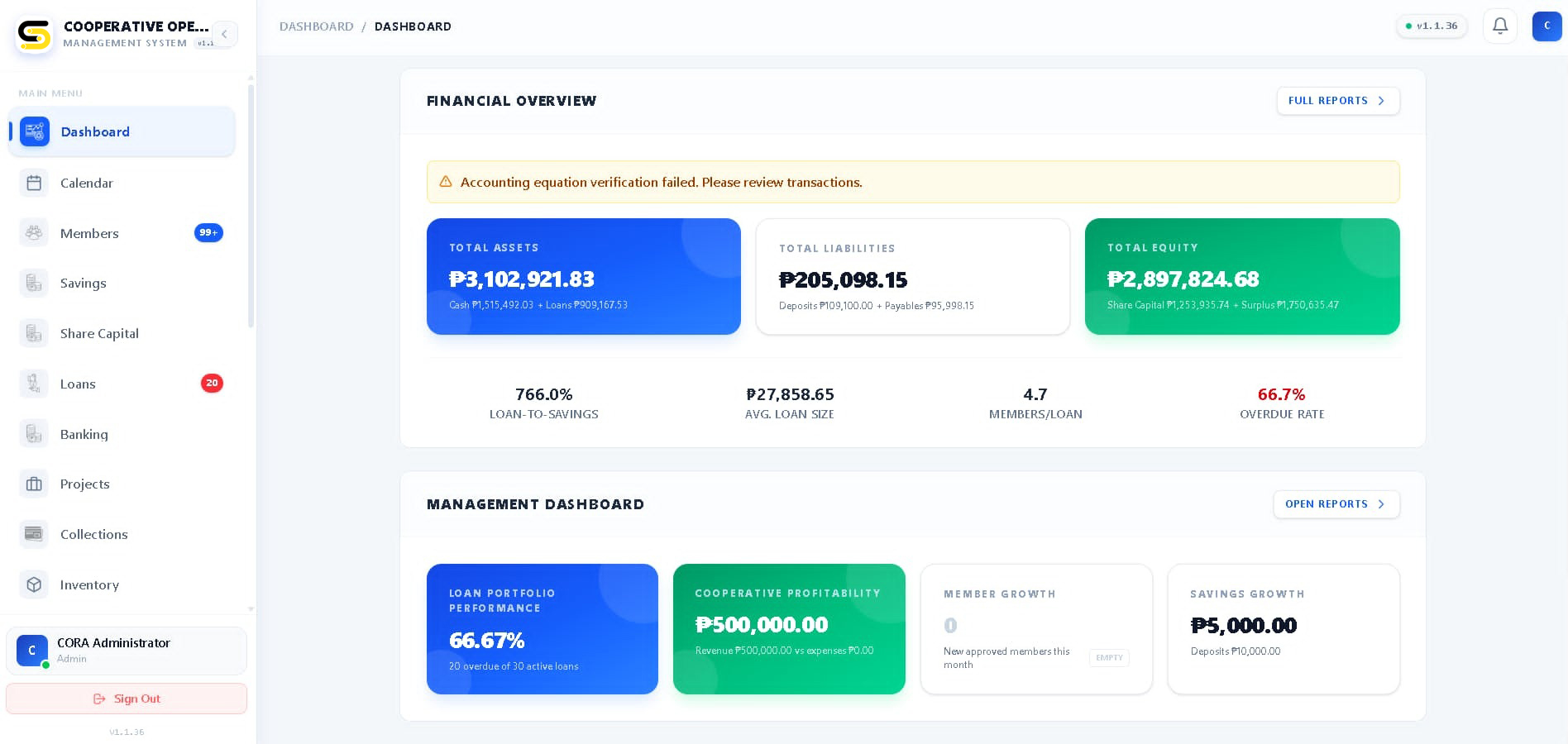
Management can access dashboards and reports that support informed decision-making and strategic planning.
Benefits of Becoming a Digital Cooperative
1. Improved Efficiency
Automation eliminates repetitive manual tasks, allowing staff to focus on serving members and growing the cooperative.
2. Enhanced Transparency
Digital records provide accurate and auditable information, strengthening trust among members and stakeholders.
3. Better Member Experience
Members can access their accounts, view transactions, and receive updates anytime and anywhere.
4. Faster Decision-Making
Real-time reports and analytics enable leaders to respond quickly to challenges and opportunities.
5. Increased Data Security
Modern systems provide secure storage, backup, and controlled access to sensitive information.
6. Scalability for Growth
As membership expands, digital systems can efficiently handle increased workloads without significantly increasing operational costs.
Key Technologies Driving Cooperative Modernization
Cloud-Based Management Systems
Cloud technology allows cooperatives to access data securely from multiple locations while reducing the need for expensive hardware.
Mobile Applications
Members increasingly expect mobile access to cooperative services. Mobile apps can provide account inquiries, loan applications, announcements, and payment tracking.
Artificial Intelligence (AI)
AI-powered tools can assist in customer service, data analysis, fraud detection, and process automation.
Digital Payment Solutions
Online payment platforms make transactions more convenient and reduce the need for physical visits.
Websites and Member Portals
A professional online presence strengthens communication and provides members with self-service capabilities.
The Role of Integrated Cooperative Management Systems
One of the most significant advancements in cooperative modernization is the development of integrated management systems. Rather than using separate tools for accounting, member records, loans, and communication, integrated platforms bring everything together into one centralized system.
An integrated cooperative management system can provide:
Member Information Management
Accounting and Financial Reporting
Loan Management
Savings and Share Capital Monitoring
Member Dashboard Access
Website Integration
Digital Announcements and Notifications
Administrative Reporting
This unified approach helps cooperatives operate more efficiently while improving member satisfaction.

Preparing Your Cooperative for Digital Transformation
Successful digital transformation requires more than purchasing software. Cooperatives should:
Assess Current Processes
Identify operational bottlenecks and areas that can benefit from automation.
Train Staff and Officers
Ensure employees and leaders are equipped with digital skills to maximize the benefits of technology.
Prioritize Member Adoption
Educate members on how digital services can improve their experience and convenience.
Choose the Right Technology Partner
Select solutions that align with your cooperative's size, goals, and future growth plans.
Promote Continuous Improvement
Technology evolves rapidly. Cooperatives should regularly review and enhance their digital capabilities.
Conclusion
The future of cooperative management is digital. By embracing technology, cooperatives can improve efficiency, strengthen transparency, enhance member engagement, and position themselves for long-term success.
The transition may require investment and change, but the benefits far outweigh the challenges. Cooperatives that embrace digital transformation today will be better prepared to serve their members, adapt to emerging opportunities, and thrive in the digital economy.
As the cooperative sector continues to evolve, one thing is clear: the digital cooperative is no longer the future—it is the present.


© Copyright 2026 DATS Training Consultancy
All Rights Reserved


